

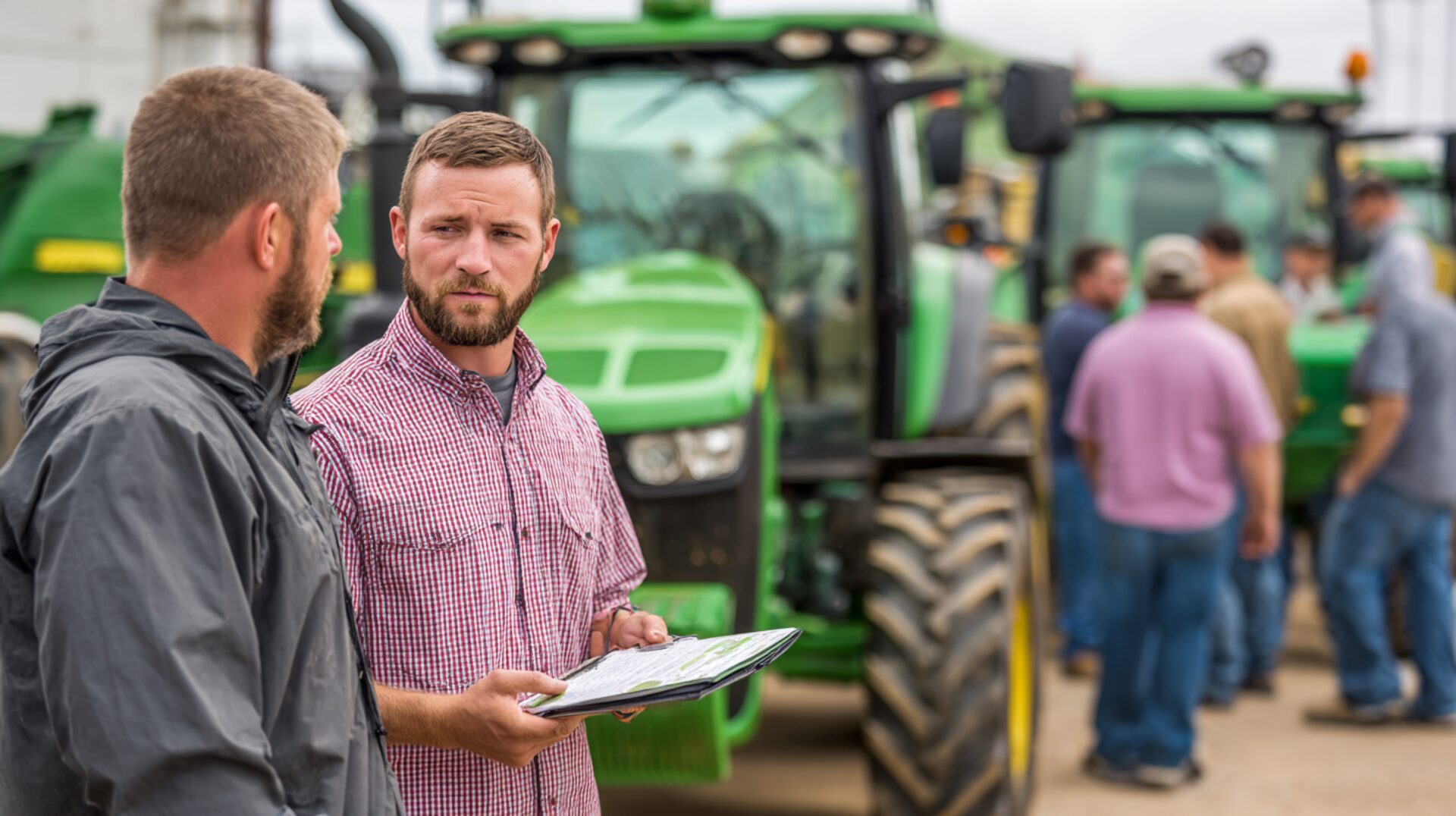
Understanding Certified Equipment Appraisal
A certified equipment appraisal is essential for anyone needing to know the accurate market value of their machinery or business assets. Whether you are a farm owner, contractor, estate administrator, or a business looking to liquidate or insure your capital assets, understanding what happens during this process can help you prepare and ensure reliable results. Below we walk you through every step of a certified machinery appraisal process conducted by a professional equipment appraiser.
Why Opt for a Certified Equipment Appraisal?
Choosing a certified equipment appraisal over informal evaluations ensures objectivity and credibility. Certified appraisers follow strict industry standards and provide detailed reports defensible in legal, financial, and insurance situations. Whether for lending, dispute resolution, estate settlement, equipment auctions, or sale documentation, a well-documented certified valuation gives you peace of mind and confidence to act.
Step 1 Scheduling the Appraisal and Initial Consultation
Discussing Your Goals
The journey begins with a conversation between you and the equipment appraiser. During this stage, your needs are discussed thoroughly—Are you requesting the appraisal for insurance, resale, estate planning, or business liquidation? The appraiser gathers details about the size and type of your asset list and learns about any recent repairs, upgrades, or special features the equipment may have.
Agreeing on Scope and Timing
The appraiser offers clear guidance regarding the timeline, fees, and expectations so there are no surprises down the line. Transparency at this stage is critical for a smooth process and building trust with the client.
Step 2 Detailed Equipment Inspection
Physical Assessment of Machinery
In most cases, the appraiser visits the location where your equipment is stored or used. Here, the certified professional carefully inspects each piece of machinery for:
- Overall condition (cosmetic wear, dents, rust, modifications)
- Operational status (does it run, can it operate safely, any recent repairs)
- Odometer or hour meter readings (tracking usage)
- Serial numbers and manufacturer details
- Attachments, upgrades, or aftermarket modifications
Photographic Documentation
The equipment appraiser takes photographs that become part of the official report. Clear visual documentation helps support the appraisal conclusions and acts as a reference point for future evaluations or sale listings.
Step 3 Verifying Equipment Specifications and History
Reviewing Documentation
After the inspection, the appraiser reviews your service records, maintenance logs, original purchase paperwork, and any documentation showing upgrades, overhauls, or warranty work. This verification adds credibility to your asset’s value and can sometimes increase the appraised value if maintenance has been thorough and documented.
Checking Serial Numbers and Compliance
Serial numbers and model references are cross-checked against manufacturer databases and industry sources. This ensures your machinery appraisal process is based on accurate identification and accounts for product recalls, safety bulletins, or manufacturer-supported modifications.
Step 4 Market Analysis and Comparable Research
Using Industry Data
A true certified equipment appraisal relies on thorough market analysis. The equipment appraiser examines:
- Recent sales data for similar equipment in your region
- Current market trends and demand fluctuations
- Availability of comparable models
- Regional factors that may influence price (for example, McMinnville TN and surrounding areas may have different demand patterns than urban centers)
This phase combines national equipment auction data, dealer inventories, and online market listings to give a realistic evaluation anchored in actual transactions, not just wishful pricing.
Step 5 Determining the Type of Value
Fair Market Value Versus Other Standards
The machinery appraisal process considers which valuation standard applies to your situation. The most common are:
- Fair Market Value (the price at which assets would change hands between willing buyers and sellers)
- Orderly Liquidation Value (sale proceeds if assets are sold in a short but reasonable time)
- Forced Liquidation Value (sale proceeds if assets are sold quickly, such as in bankruptcy)
Your equipment appraiser explains the implications of each standard to ensure the appraisal serves your intended purpose, whether that is sale, financing, taxation, or litigation.
Step 6 Assembling the Certified Appraisal Report
Comprehensive Documentation
The final step is compiling all findings into a formal report. This report contains the following:
- Detailed description and specifications of each asset
- Photographs and supporting documents
- Condition notes and analysis of market trends
- Explanation of the appraisal methodology and value determination
- Relevant comparables and how values were reached
- Appraiser’s credentials and certification statement
Carefully designed to be understandable and defendable, this report is accepted by banks, courts, buyers, and other decision makers throughout Tennessee and the Mid South region.
What Sets a Certified Equipment Appraisal Apart?
Objectivity and Professional Ethics
Certified equipment appraisers are required to follow Uniform Standards of Professional Appraisal Practice (USPAP) or equivalent guidelines. They uphold total impartiality, ethical standards, and due diligence, which sets a certified appraisal far above a ‘ballpark estimate’ from a sales rep or unqualified evaluator.
Industry Knowledge and Local Insight
Your appraisal benefits from a deep understanding not just of equipment but of the local Tennessee and Mid South markets. Regional experience matters—it accounts for local demand, seasonal cycles, and buyer behaviors unique to farm, construction, and commercial equipment in the area.
Defensibility in Legal and Financial Matters
In divorce proceedings, tax assessments, estate settlements, or insurance claims, having a certified appraisal is often required. Your documentation provides tangible support should your asset value be questioned or challenged.
Frequently Asked Questions About the Machinery Appraisal Process
How long does a certified equipment appraisal take?
Most single-asset appraisals are completed in a matter of days. Larger fleets or varied asset classes may take one to two weeks, especially if on-site inspections are needed and document collection takes time.
Do I need to clean or repair my equipment before the appraisal?
Presenting equipment in its best possible condition supports accurate value. Clean machines and clear maintenance records generally encourage higher appraisals, though a professional appraiser can accurately value equipment in as-is condition if needed.
Can I use an appraisal to set my auction reserve?
Yes. Many sellers use an equipment appraiser to help establish reserve prices for upcoming auctions. The certified appraisal provides a justified baseline that can help guarantee minimum returns and support marketing efforts.
Who hires certified equipment appraisers?
Anyone requiring objective, defensible valuation—including lenders, business owners, farmers, attorneys, estate executors, and buyers or sellers of used machinery—relies on professional appraisal services.
Does the appraiser need to see every piece of equipment in person?
On-site inspection is preferred for maximum accuracy. In some cases, remote appraisals can be performed if you provide comprehensive photos, videos, maintenance records, and clear descriptions, but direct inspection is always best for complex or high-value assets.
Checklist for Preparing for Your Equipment Appraisal
- Gather all available maintenance and repair records
- Clean equipment for optimal presentation
- Make any simple repairs or cosmetic improvements
- Prepare a list with make, model, serial number, and hour or mileage readings
- Collect proof of major upgrades, overhauls, or warranty information
- Ensure easy access for inspection and photographs
Statistics on Certified Equipment Appraisals
- According to industry reports, businesses that use certified appraisals before sale or auction often achieve 10 to 15 percent higher sale prices due to buyer confidence.
- Legal settlements with certified machinery valuation are less likely to be contested and resolve, on average, 40 percent faster than those without proper documentation.
Partnering With the Right Appraiser
A certified equipment appraisal is more than a number—it is peace of mind, a tool for negotiation, and a safeguard for your business or estate. By working with a qualified equipment appraiser like those at MidSouth Auctions & Appraisals LLC, you ensure a thorough and ethical process tailored to your needs in Tennessee and the Mid South.
If you have questions about the machinery appraisal process or are ready to schedule your own certified equipment appraisal, reach out to a trusted local expert. The right valuation can make all the difference when buying, selling, insuring, or settling your equipment assets.
Leave a Reply